

How to Prevent Joint Dislocations During Sports
Whether you're a professional athlete or someone who enjoys weekend sports, staying active is essential for good health. However, intense physical activity also increases the risk of injuries, with joint dislocations being one of the most common. A dislocation occurs when the bones in a joint are forced out of place, often causing severe pain, swelling, and restricted movement.
Fortunately, many of these injuries can be avoided with the right precautions. Understanding joint dislocation prevention in sports can help you protect your joints, improve performance, and stay active for years to come.
What Is a Joint Dislocation?
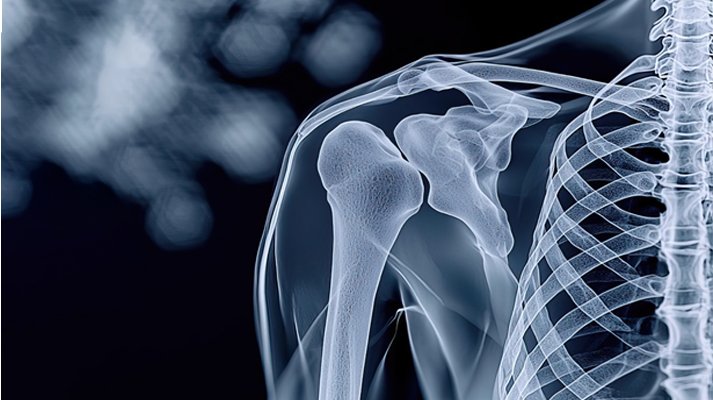
A joint dislocation happens when the bones at a joint move out of their normal position. It commonly affects the shoulder, knee, elbow, fingers, ankle, and hip. Sports involving sudden movements, falls, or physical contact are more likely to cause this injury.
Common symptoms include:
- Severe pain
- Swelling
- Bruising
- Visible joint deformity
- Difficulty moving the joint
- Numbness or tingling
Immediate medical care is important to prevent damage to the surrounding muscles, ligaments, and nerves.
Why Do Joint Dislocations Happen During Sports?
Several factors increase the risk of joint dislocations, including:
- Poor warm-up before activity
- Weak muscles around the joints
- Previous injuries
- Improper sports techniques
- Sudden twisting or impact
- Overtraining and muscle fatigue
- Lack of protective equipment
Recognizing these risks is the first step toward preventing injuries.
Tips to Prevent Joint Dislocations During Sports
Warm Up Properly
Always spend 10–15 minutes warming up before playing sports. Light jogging, dynamic stretches, and mobility exercises prepare your muscles and joints for activity while reducing stiffness.
Strengthen Your Muscles
Strong muscles provide better support for your joints. Include exercises that strengthen your shoulders, hips, knees, and core to improve joint stability and reduce injury risk.
Improve Flexibility
Regular stretching keeps muscles flexible and allows joints to move freely. Yoga and mobility exercises can also improve balance and coordination.
Use Proper Technique
Incorrect movements while running, lifting, or jumping place unnecessary stress on your joints. Learning proper techniques from a qualified coach helps reduce the risk of injury.
Wear Protective Gear
Use sport-specific protective equipment such as:
- Knee braces
- Ankle supports
- Shoulder guards
- Wrist supports
- Proper sports shoes
Protective gear helps stabilize joints and absorb impact during play.
Don't Overtrain
Your body needs time to recover after intense physical activity. Schedule rest days, stay hydrated, and avoid pushing through pain, as fatigue can increase the risk of injury.
Eat for Healthy Bones and Joints
A balanced diet supports strong bones and muscles. Include foods rich in:
- Calcium
- Vitamin D
- Protein
- Magnesium
- Omega-3 fatty acids
Proper nutrition helps improve joint strength and recovery.
Never Ignore Minor Injuries
A small sprain or strain can lead to a more serious injury if left untreated. Seek medical advice if you experience persistent pain, swelling, or joint instability.
Practicing joint dislocation prevention in sports not only reduces injuries but also improves your confidence and performance on the field.
What to Do If a Joint Dislocation Occurs
If you suspect a joint dislocation:
- Stop playing immediately.
- Keep the injured joint still.
- Apply an ice pack to reduce swelling.
- Do not try to push the joint back into place.
- Seek immediate medical attention.
Early treatment helps prevent further complications and speeds up recovery.
Recovery and Rehabilitation
Recovery doesn't end after the joint is repositioned. Rehabilitation is essential to restore strength, flexibility, and stability before returning to sports.
A rehabilitation program may include:
- Strengthening exercises
- Range-of-motion training
- Balance exercises
- Gradual return to physical activity
Following your doctor's advice can help prevent future injuries.
How Ayurveda Supports Joint Recovery
At Unnithan's Ayurveda, traditional Ayurvedic therapies complement recovery by promoting natural healing and improving joint function. Personalized treatment plans may include therapeutic oil massages, herbal formulations, and rehabilitation therapies that help reduce stiffness, improve mobility, and strengthen the musculoskeletal system.
When Should You See a Specialist?
Consult an orthopedic or Ayurvedic specialist if you experience:
- Repeated joint dislocations
- Severe pain or swelling
- Difficulty moving a joint
- Persistent instability
- Reduced range of motion
Early diagnosis and proper treatment can prevent long-term joint damage.
Conclusion
Preventing joint dislocations starts with simple habits such as warming up, strengthening muscles, improving flexibility, using the right equipment, and allowing your body enough time to recover. These preventive measures help protect your joints and keep you active in the sports you love.
If you're looking for expert guidance on joint dislocation prevention in sports, the experienced team at Unnithan's Ayurveda offers personalized care and holistic rehabilitation to help you recover safely and maintain healthy joints. Book a consultation today to take the first step towards stronger, healthier movement.