

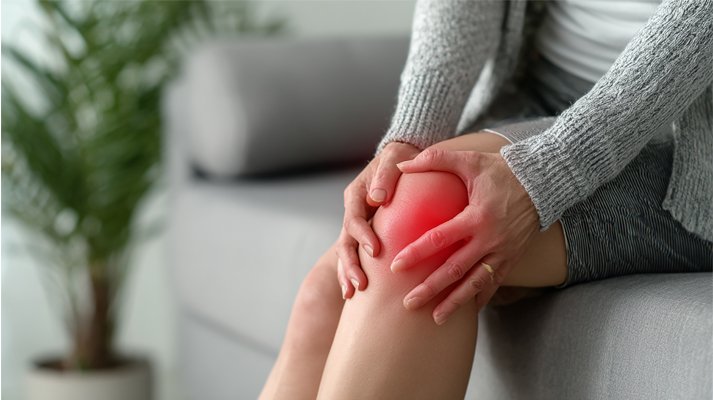
What Are the Early Signs of Knee Joint Damage?
Our knees play a vital role in almost every movement we make—from walking and climbing stairs to exercising and performing daily activities. Because the knee joint bears much of the body's weight, it is highly susceptible to wear and tear, injuries, and age-related degeneration. Ignoring the early signs of knee joint damage can lead to chronic pain, reduced mobility, and even permanent joint problems.
Recognizing the warning signs early and seeking timely care can help prevent further damage and improve your quality of life. If you're looking for an Ayurvedic treatment for knee pain, early diagnosis combined with personalized Ayurvedic therapies can help manage symptoms naturally and support long-term joint health.
Why Does Knee Joint Damage Occur?
Knee joint damage can develop gradually or suddenly due to various reasons, including:
- Aging and natural wear of cartilage
- Sports injuries
- Obesity
- Arthritis
- Repetitive stress on the knee
- Previous fractures or ligament injuries
- Poor posture and muscle weakness
Early treatment can slow the progression of joint damage and improve mobility.
Early Signs of Knee Joint Damage
1. Persistent Knee Pain
One of the earliest symptoms is pain that doesn't go away with rest. The discomfort may be mild at first but gradually becomes more frequent during walking, climbing stairs, or standing for long periods.
2. Stiffness in the Morning
If your knees feel stiff after waking up or after sitting for a long time, it may indicate early joint degeneration or arthritis. The stiffness usually improves after gentle movement.
3.Swelling Around the Knee
Inflammation inside the joint can cause visible swelling and tenderness. Swelling after physical activity that keeps returning should never be ignored.
4. Difficulty Climbing Stairs
Pain or weakness while climbing up or down stairs is a common early sign of knee joint problems. You may notice that your knees feel unstable or require extra effort.
5. Clicking or Grinding Sounds
Hearing clicking, popping, or grinding noises when bending your knee can indicate cartilage wear or changes within the joint. While occasional sounds may not be serious, persistent noises accompanied by pain should be evaluated.
6. Reduced Range of Motion
If you find it difficult to fully bend or straighten your knee, it could be a sign of joint stiffness, swelling, or cartilage damage.
7. Knee Instability
Does your knee feel like it might "give way" while walking? Weakness or instability may result from ligament injuries or weakened muscles supporting the joint.
8. Pain During Physical Activity
Discomfort during walking, running, squatting, or exercising that improves with rest may be an early warning sign of joint damage.
Who Is at Higher Risk?
Certain factors increase the likelihood of developing knee joint problems:
- Adults over 40 years
- Athletes and sportspersons
- People who are overweight
- Individuals with previous knee injuries
- Jobs that require prolonged standing or kneeling
- People with arthritis or family history of joint disorders
Understanding these risk factors allows for early preventive care.
How to Protect Your Knee Joints
Simple lifestyle changes can help keep your knees healthy.
Maintain a Healthy Weight
Excess body weight places additional pressure on the knee joints, increasing the risk of cartilage damage.
Stay Physically Active
Low-impact exercises such as walking, swimming, cycling, and yoga help strengthen muscles without putting excessive strain on the knees.
Strengthen Supporting Muscles
Strong thigh and hip muscles provide better support for the knee joint and improve stability.
Wear Proper Footwear
Supportive footwear helps maintain proper alignment and reduces stress on your knees.
Avoid Overuse
Take breaks during repetitive activities and avoid excessive strain on the joints.
How Ayurveda Helps Manage Knee Joint Problems
According to Ayurveda, knee pain and joint degeneration are often associated with an imbalance in Vata Dosha, which affects the bones, joints, and movement of the body. Ayurveda focuses on treating the root cause of the problem rather than simply managing symptoms.
At Unnithan's Ayurveda, Ayurvedic treatment for knee pain includes personalized therapies designed to reduce inflammation, improve circulation, strengthen joints, and enhance mobility naturally.
Treatment plans may include:
- Therapeutic Ayurvedic oil massages
- Herbal medicines
- Joint-strengthening therapies
- Rejuvenation treatments
- Dietary and lifestyle guidance
These therapies aim to improve joint function while supporting long-term musculoskeletal health.
When Should You Consult a Doctor?
Seek professional medical advice if you experience:
- Knee pain lasting more than two weeks
- Persistent swelling
- Difficulty walking
- Knee locking or instability
- Limited range of motion
- Pain after an injury
- Frequent clicking accompanied by discomfort
Early diagnosis helps prevent further joint damage and improves treatment outcomes.
Benefits of Early Treatment
Treating knee problems early can help:
- Reduce pain and inflammation
- Improve joint flexibility
- Prevent further cartilage damage
- Restore mobility
- Delay or avoid surgical intervention
- Improve overall quality of life
Early care is often more effective than waiting until symptoms become severe.
Conclusion
Knee joint damage often begins with subtle symptoms such as pain, stiffness, swelling, or reduced movement. Paying attention to these early warning signs and seeking timely treatment can help protect your joints and maintain an active lifestyle.
If you're experiencing persistent knee discomfort, Ayurvedic treatment for knee pain offers a natural and holistic approach to improving joint health. At Unnithan's Ayurveda, experienced Ayurvedic specialists provide personalized care to relieve pain, restore mobility, and support long-term joint wellness. Book a consultation today and take the first step toward healthier, stronger knees.