

Best Sleeping Position for Back & Neck Pain
Waking up with a stiff neck or aching back can make even the simplest daily activities uncomfortable. While many people focus on medications or exercises, one of the most overlooked causes of persistent discomfort is the way they sleep. Since we spend nearly one-third of our lives in bed, maintaining proper spinal alignment during sleep is essential for reducing strain on the muscles and joints.
If you are looking for an Ayurvedic solution for back and neck pain, combining healthy sleeping habits with traditional Ayurvedic care can provide long-lasting relief and improve your overall quality of life.
Why Does Your Sleeping Position Matter?
Your spine has a natural curve that supports your body's weight and movement. Sleeping in an incorrect position can place unnecessary pressure on your neck, shoulders, and lower back, leading to muscle stiffness and joint pain.
Poor sleeping posture may result in:
- Morning neck or back stiffness
- Shoulder pain
- Headaches
- Muscle tightness
- Tingling or numbness in the arms
- Worsening of existing spinal conditions
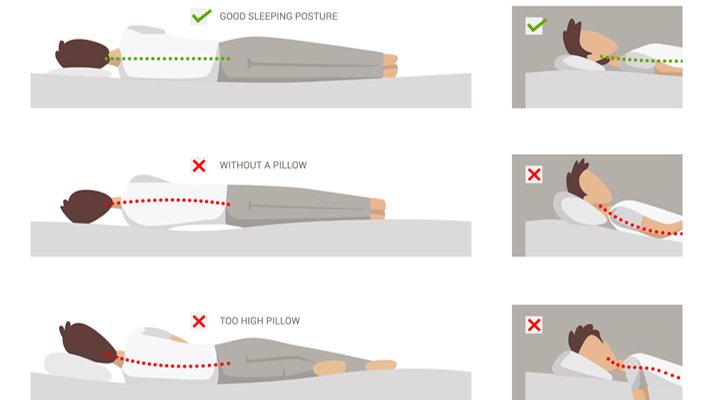
A proper sleeping position helps your muscles relax, supports spinal alignment, and allows your body to recover overnight.
Best Sleeping Positions
1. Sleeping on Your Back
Sleeping on your back is one of the healthiest positions for your spine.
Benefits:
- Maintains natural spinal alignment
- Reduces pressure on the lower back
- Minimizes neck strain
- Distributes body weight evenly
For additional support, place a pillow under your knees. This helps maintain the natural curve of the lower back and reduces stress on the spine.
2. Sleeping on Your Side
Side sleeping is another excellent option, especially for people with lower back discomfort.
Benefits:
- Supports spinal alignment
- Reduces pressure on joints
- Improves circulation
- Helps relax back muscles
For better support, place a pillow between your knees to keep your hips and spine aligned. A pillow that properly supports your neck is equally important.
3. Foetal Position
Sleeping with your knees slightly bent can be beneficial for individuals with certain spinal conditions. However, avoid curling up too tightly, as this may increase stiffness in the morning.
Sleeping Position to Avoid
Sleeping on Your Stomach
Sleeping on your stomach is generally not recommended because it forces your neck to remain turned to one side for several hours.
This position may:
- ncrease neck strain
- Flatten the natural curve of the spine
- Cause lower back discomfort
- Put extra pressure on muscles and joints
If you cannot avoid sleeping on your stomach, placing a thin pillow under your hips may help reduce pressure on your lower back.
Choosing the Right Pillow
A supportive pillow is just as important as your sleeping position.
This position may:
- Back sleepers: Choose a medium-height pillow.
- Side sleepers: Use a firmer pillow that fills the gap between your neck and shoulder.
- Stomach sleepers: Use the thinnest pillow possible.
The right pillow helps keep your head, neck, and spine in proper alignment throughout the night.
Does Your Mattress Matter?
Yes. An old or unsupportive mattress can contribute to chronic pain.
A medium-firm mattress generally provides the best balance of comfort and support. If your mattress is sagging or more than several years old, replacing it may improve your sleep quality and reduce pain.
Healthy Bedtime Habits
Small lifestyle changes can make a significant difference in spinal health.
- Stretch gently before bedtime.
- Avoid prolonged mobile phone use while lying down.
- Maintain good posture throughout the day.
- Sleep for 7–8 hours every night.
- Stay physically active.
- Practice stress management techniques such as meditation or deep breathing.
These habits help relax muscles and promote restful sleep.
How Ayurveda Helps Manage Back & Neck Pain
According to Ayurveda, persistent back and neck pain is often associated with an imbalance of Vata Dosha, which governs movement within the body. When Vata becomes aggravated due to stress, poor posture, aging, or unhealthy lifestyle habits, it may lead to stiffness, pain, and reduced flexibility.
At Unnithan's Ayurveda, an Ayurvedic solution for back and neck pain focuses on treating the root cause rather than simply relieving symptoms. Personalized treatment plans may include therapeutic oil massages, herbal remedies, rejuvenation therapies, dietary guidance, and lifestyle modifications to restore balance and support natural healing.
When Should You Consult an Ayurvedic Doctor?
Seek professional care if you experience:
- Pain lasting more than two weeks
- Pain radiating to your arms or legs
- Persistent numbness or tingling
- Difficulty walking or moving
- Severe morning stiffness
- Pain following an injury
Early diagnosis and timely treatment can help prevent long-term complications and improve recovery.
Conclusion
The best sleeping positions for back and neck pain are sleeping on your back or side while maintaining proper spinal alignment. Pairing these healthy habits with an Ayurvedic solution for back and neck pain can help relieve discomfort and support long-term spinal health.
If your pain persists or affects your daily life, consult the experts at Unnithan's Ayurveda for personalized Ayurvedic care and begin your journey toward lasting relief.